
 Official Canadian distributor
Halocarbon PCTFE oils
A complete line of PCTFE oils, from diaphragm gauges and instruments to pumps and compressors. Inert and nonflammable, they won’t react with chlorine, oxygen or Lewis acids, and cover −124 °C to 240 °C. Stocked and supported in Canada by F. Bacon.
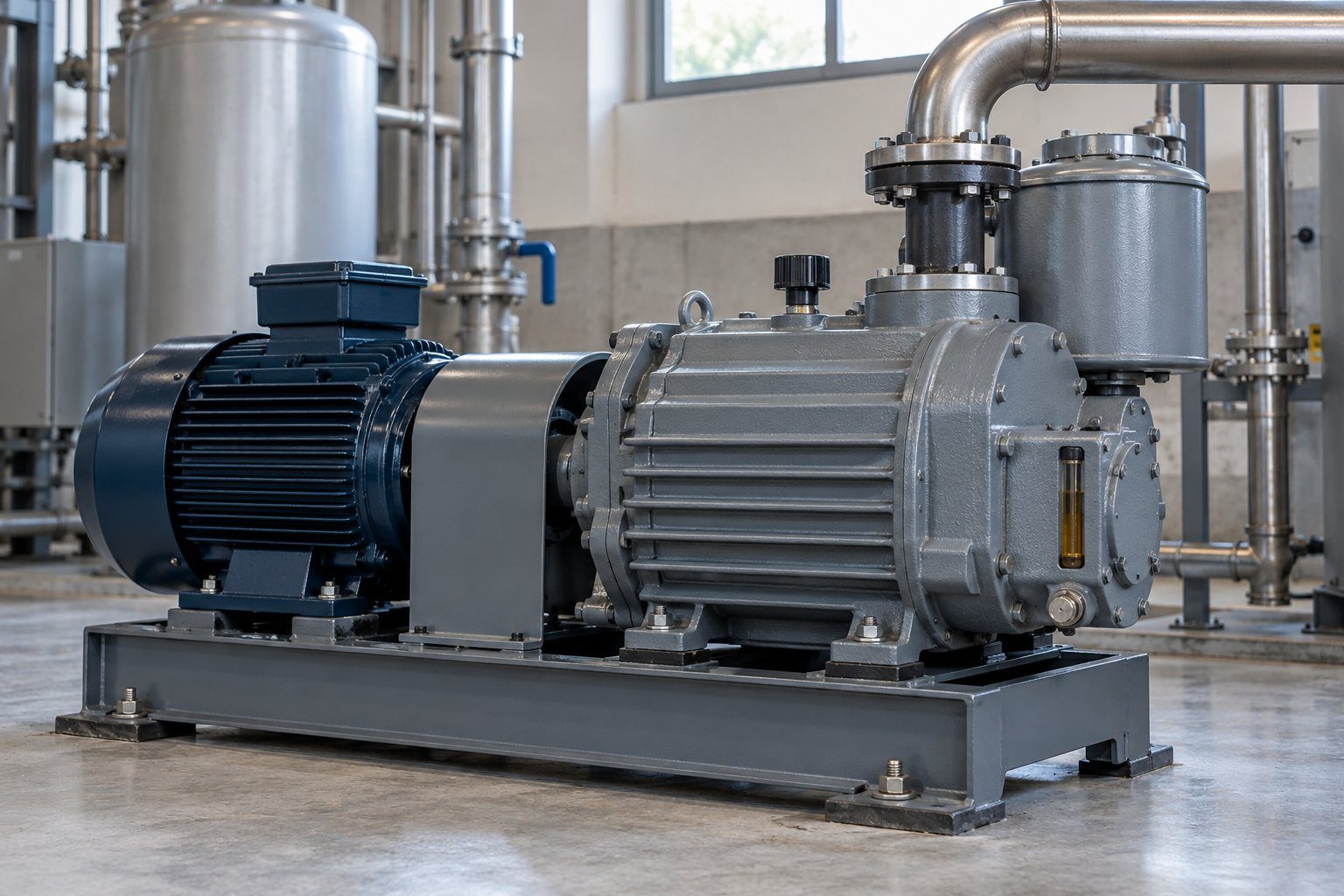
Find the right oil
Choose your application
Grade numbers roughly follow viscosity: low numbers flow freely in the cold and in instruments, high numbers carry heavier loads.
Instrument fill & pressure devices
Full line-up
Every Halocarbon oil we supply
Viscosity in centistokes at 40 °C, with the ISO grade in brackets. Halocarbon lists most of these grades for oxygen and chlorine service.
| Grade | Viscosity | Service temp. (°C) |
|---|---|---|
| Instrument, gauge & calibration fillGauge fill, pressure transducers, diaphragm seals, gas cylinders and valves, calibration baths and cryogenic gas and liquid service. | ||
| Halocarbon 0.8 Coldest grade | 0.8 (ISO 1) | −124 to 75 |
| Halocarbon 1.8 | 1.8 (ISO 2) | −88 to 130 |
| Halocarbon 4.2 | 3.9 (ISO 5) | −68 to 150 |
| Halocarbon 6.3 | 5.8 (ISO 7) | −66 to 160 |
| Pumps, compressors & general lubricationPumps and compressors in oxygen, chlorine and chemical service. Halocarbon 56 and 95 also suit vacuum pumps. | ||
| Halocarbon 27 | 24 (ISO 22) | −35 to 200 |
| Halocarbon 56 | 48 (ISO 46) | −29 to 215 |
| Halocarbon 95 | 82 (ISO 100) | −21 to 240 |
| Heavy grades for pumps, vacuum & general lubricationHeavier loads and more film strength, up to 240 °C. | ||
| Halocarbon 200 | 170 (ISO 150) | −7 to 240 |
| Halocarbon 400 | 330 (ISO 320) | −4 to 240 |
| Halocarbon 700 | 580 (ISO 680) | 10 to 240 |
| Halocarbon 1000N Heaviest grade | 820 (ISO 1000) | 15 to 240 |
| Mechanical-seal barrier fluids for chlorine, oxygen & strong-acid serviceFor cryogenic, chlorine and strong-acid service. | ||
| MSHV04 | 3.9 (ISO 5) | −68 to 150 (205 pressurized) |
| MSHV06 | 5.8 (ISO 7) | −66 to 160 (205 pressurized) |
| MSLV27 | 24.3 (ISO 22) | −35 to 200 (205 pressurized) |
| MSLV56 | 48.2 (ISO 46) | −29 to 200 (205 pressurized) |
| Vacuum pumpsPCTFE roughing-pump oils for reactive-gas service, including oxygen and chlorine. | ||
| HaloVac 60 General purpose; laboratory pumps | 52 | Up to 200 |
| HaloVac 100 Medium-pressure pumps | 86 | Up to 200 |
| HaloVac 125 Medium-pressure pumps | 107 | Up to 200 |
| Machining refractory metals | ||
| Halocarbon MWF 2 to MWF 1000 Seven viscosities for molybdenum, niobium, tantalum and tungsten | 1.8 to 820 | Varies by grade |
Figures from Halocarbon’s published product guide. Always check the current data sheet before you specify; we can email it with your quote.
Is your oil already failing?
Four warning signs
Usually it’s the wrong oil for the environment, not bad luck. A longer-lasting oil means fewer top-ups and drains, longer seal and pump life, and fewer unplanned shutdowns.
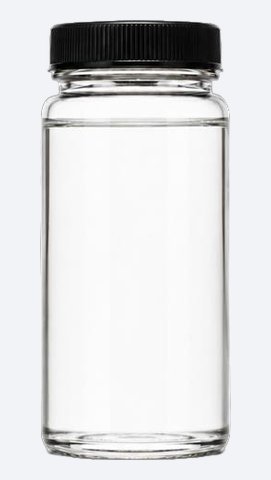 Healthy oilClear and bright, like fresh Halocarbon PCTFE oil.
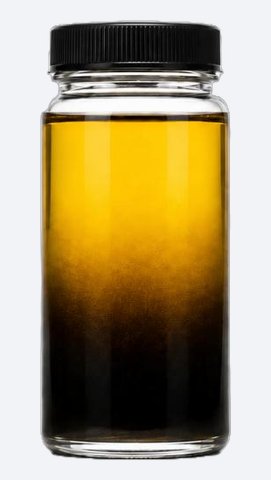 DiscolourationDark, cloudy or hazy oil.
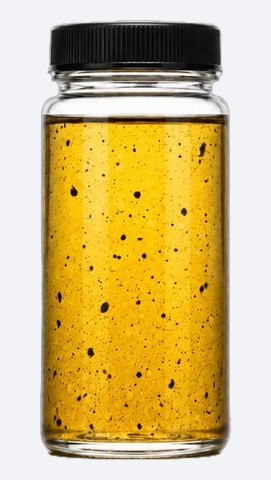 ParticulatesSpecks or grit in the oil.
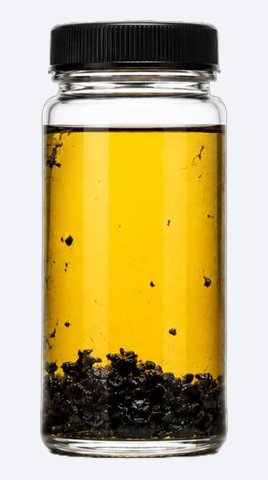 SludgingThick deposits at the bottom of the reservoir.
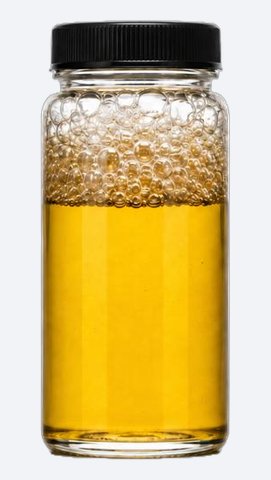 FoamingFoam that doesn’t settle.
Chlorine & chlor-alkali
Oils that won’t react with chlorine
PCTFE is an oxygen-free polymer, so it holds up against chlorine and Lewis acids such as aluminum trichloride that break down conventional fluids. Several Halocarbon products are recognized in Chlorine Institute Pamphlet #164, the industry’s guidance on compatibility in chlorine and caustic service.
Halocarbon recommends Halocarbon 27, 56, 95 and 200 for chlorine pumps and compressors, and its MS barrier fluids for mechanical seals.
One compatible chemistry, three forms
More from Halocarbon
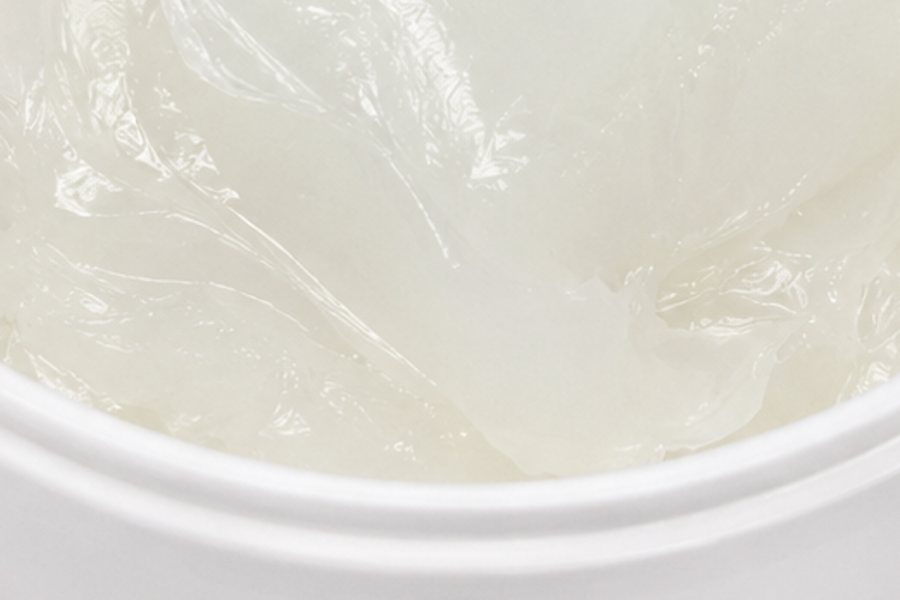 GreasesValves, O-rings, threads and bearings in chlorine, oxygen and chemical service.View greases →
 WaxesChemically resistant coatings and seals for reactive-gas cylinders, threads and joints.View waxes →Why PCTFEHow Halocarbon chemistry differs, where it is used, and InfinX™ metalworking fluid.Halocarbon main page →
Send us the application. We'll recommend a grade and arrange a sample.
Tell us the fluid or gas involved, operating temperature and pressure, and what you use today.